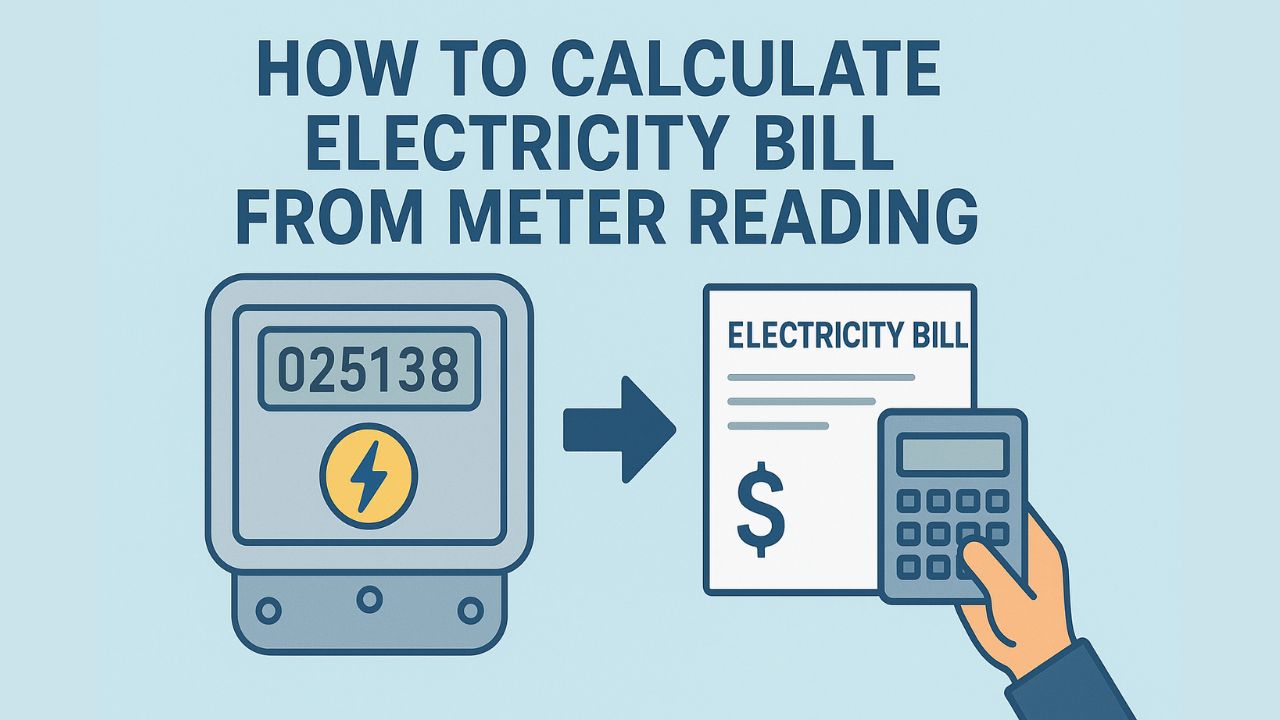
If you’ve ever stared at your electricity bill and wondered where all those numbers come from, you’re not alone. Calculating your electricity bill from meter reading might sound a bit technical, but it’s actually pretty straightforward once you break it down. I’ll walk you through the process step by step, so you can understand exactly how your usage turns into dollars (or whatever currency you’re dealing with).
Why Understanding Your Electricity Bill Matters
First off, why bother learning how to calculate electricity bill from meter reading? Well, it empowers you to spot errors, track your consumption, and even reduce costs. Many people just pay the bill without a second thought, but a quick check can reveal if something’s off—like a faulty meter or unexpected spikes in usage.
Electricity bills aren’t random; they’re based on how much power you use, measured in kilowatt-hours (kWh). Your utility company reads your meter periodically, subtracts the previous reading, and applies their rates.
But tariffs can vary—some are flat, others tiered or time-based. Getting a grip on this helps you make smarter choices, like running appliances during off-peak hours.
Step 1: Reading Your Electricity Meter Correctly
Before you can calculate anything, you need to know how to read your meter. Most homes have either analog (dial) or digital meters. Digital ones are easier—they display numbers directly. Analog meters have dials that spin like clock hands.
Here’s a quick rundown:
- Digital Meters: Look for the display screen. It shows the total kWh used, often with a label like “kWh.” Note down the full number, ignoring any decimals unless specified.
- Analog Meters: These have 4-6 dials. Read from left to right. If the pointer is between two numbers, take the lower one (except if it’s between 9 and 0—then it’s 9). Skip the red dial if there is one; it’s for testing.
Pro Tip: Take readings at the same time each month for accuracy. If your meter is smart (automatic), you might access readings via an app or online portal. Always wear gloves or use a flashlight if it’s in a dark spot—safety first!
Step 2: Calculating Your Energy Consumption
Once you have your readings, the math begins. Subtract the previous month’s reading from the current one to get your usage in kWh.
Formula: Consumption (kWh) = Current Reading – Previous Reading
For example, if last month’s reading was 12,345 kWh and this month’s is 12,678 kWh, your usage is 12,678 – 12,345 = 333 kWh.
Simple, right? But watch out for estimated readings—utilities sometimes guess if they can’t access your meter. Always verify with actual reads to avoid overcharges.
Understanding Electricity Tariffs and Rates
Now, tariffs are where things get interesting. Your bill isn’t just usage times a flat rate; it depends on your provider’s structure. Common types include:
- Flat Rate: A single price per kWh, say $0.12/kWh. Easy to calculate.
- Tiered Rate: Charges increase with usage. For instance:
- 0-100 kWh: $0.10/kWh
- 101-300 kWh: $0.15/kWh
- Over 300 kWh: $0.20/kWh
- Time-of-Use (TOU): Rates vary by time. Peak hours (e.g., evenings) cost more than off-peak (nights).
- Demand Charges: Based on your highest usage in a short period, common for businesses but sometimes homes.
Check your bill or utility website for your exact rates. They might include fixed charges (like service fees) and taxes too.
Step 3: The Actual Calculation Process
Alright, let’s put it all together. Here’s a step-by-step guide on how to calculate electricity bill from meter reading.
- Get Your Readings: Note current and previous as explained.
- Find Consumption: Subtract as above.
- Apply the Tariff:
- For flat rate: Total Cost = Consumption × Rate
- For tiered: Break usage into tiers and multiply accordingly.
- Add Fixed Charges: Include any monthly fees, like $10 for meter maintenance.
- Factor in Taxes and Surcharges: Usually a percentage, say 5-10%.
- Subtract Credits: If you have solar panels or rebates.
Let’s use an example with a tiered tariff.
Example Calculation Table
| Item | Details | Amount |
|---|---|---|
| Previous Reading | 12,345 kWh | – |
| Current Reading | 12,678 kWh | – |
| Consumption | 333 kWh | – |
| Tier 1 (0-100 kWh) | 100 × $0.10 | $10.00 |
| Tier 2 (101-300 kWh) | 200 × $0.15 | $30.00 |
| Tier 3 (301+ kWh) | 33 × $0.20 | $6.60 |
| Subtotal | – | $46.60 |
| Fixed Charge | Monthly fee | $8.00 |
| Taxes (7%) | On subtotal + fixed | $3.82 |
| Total Bill | – | $58.42 |
See? In this case, your bill comes to about $58.42. Play around with your numbers to match.
Common Factors That Affect Your Bill
Your electricity bill isn’t just about usage—several things influence it. Weather plays a big role; air conditioners spike bills in summer. Appliances like fridges or heaters are energy hogs if old or inefficient.
Other factors:
- Household Size: More people mean more lights, showers, and charging.
- Energy Efficiency: LED bulbs and Energy Star appliances save big.
- Seasonal Changes: Heating in winter, cooling in summer.
- Rate Changes: Utilities adjust prices; stay informed via newsletters.
Track patterns over months to identify culprits. Apps like those from your utility can help monitor real-time usage.
Tips to Lower Your Electricity Bill
Knowing how to calculate electricity bill from meter reading is great, but slashing it is even better! Here are some practical tips:
- Unplug Vampires: Devices on standby suck power—unplug chargers and TVs when not in use.
- Optimize Lighting: Switch to LEDs and use natural light.
- Efficient Appliances: Run full loads in washers/dishwashers. Set thermostat to 78°F in summer.
- Insulate Home: Seal drafts to reduce heating/cooling needs.
- Go Solar: If feasible, panels can offset costs.
- Time Your Usage: With TOU rates, do laundry at night.
Small changes add up. One family I know cut their bill by 20% just by being mindful!
Advanced Considerations for Accurate Calculations
For those wanting to go deeper, consider power factor or sub-metering if you have rentals. Power factor affects commercial bills but rarely homes. If your meter is interval-based (records hourly), you can analyze peaks.
Also, understand units: 1 kWh is like running a 1,000-watt appliance for an hour. A light bulb (60W) for 10 hours? That’s 0.6 kWh.
If math isn’t your thing, use online calculators from sites like Energy.gov or your utility. Input readings, and they spit out estimates. But doing it manually builds confidence.
Real-Life Scenarios and Troubleshooting
Imagine your bill jumps suddenly. Recalculate from readings—maybe a leaky hot water heater. Or, if readings seem wrong, request a meter test from your utility (often free).
In apartments, shared meters complicate things. Sub-meters per unit help, but check leases.
During outages, meters might reset—note readings before/after. And for prepaid meters, top-ups are based on projected usage.
FAQs About How to Calculate Electricity Bill from Meter Reading
Q. What if my meter reading is estimated?
A. Estimates are based on past usage. Always provide actual readings to your utility via app or phone to correct the bill. It could save you money if the estimate is high.
Q. How often should I check my meter?
A. Monthly is ideal, right before the billing cycle ends. This helps spot issues early and track savings from energy tweaks.
Q. Can I dispute a high bill?
A. Yes! Recalculate yourself first. If it doesn’t match, contact your utility with evidence like photos of readings. They might investigate for free.
Conclusion
There you have it, a complete guide on how to calculate electricity bill from meter reading. By now, you should feel confident tackling your next bill. Remember, it’s all about awareness: read your meter, understand rates, and make smart choices. Over time, this knowledge can lead to real savings and a greener lifestyle.
Disclaimer: This article is for informational purposes only and not financial or legal advice. Electricity rates and methods vary by location and provider—always consult your utility for accurate details.